
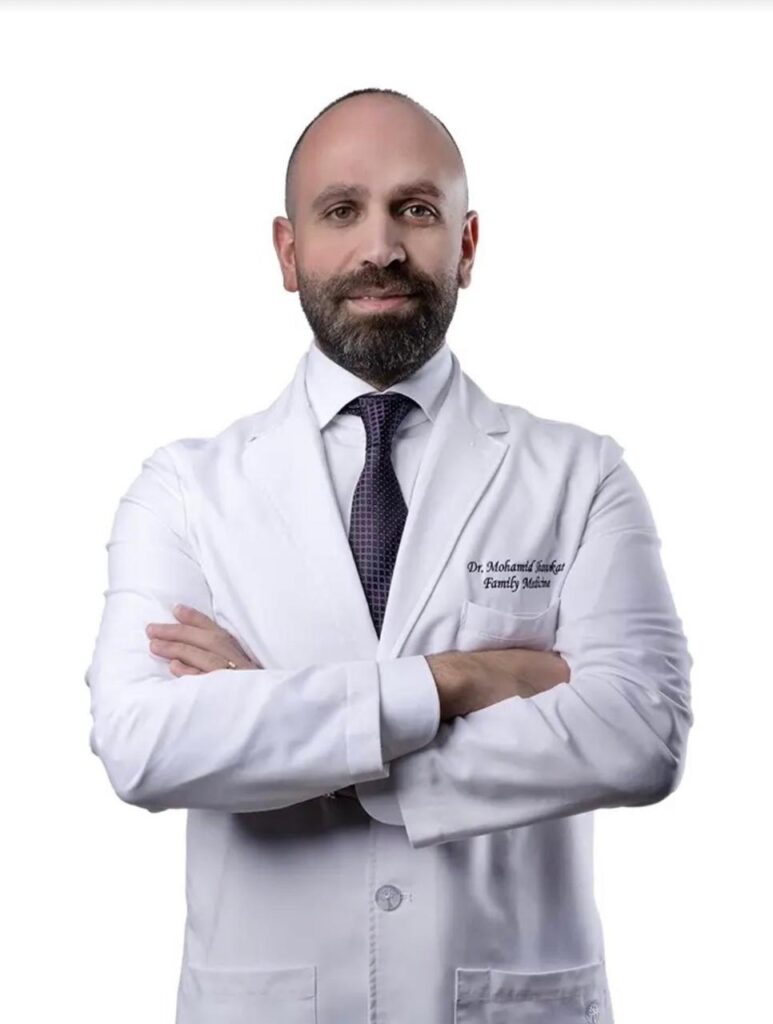
By: Dr. Mohamid Shawkat
Primary care plays a crucial role in the structure of any effective healthcare system. As a Family Medicine Specialist, I have witnessed firsthand how Family Medicine care services can improve patient outcomes, enhance quality of life, and reduce the overall burden on healthcare system. Family Medicine focuses on comprehensive
and continuous care that focuses on physical, emotional, and preventative needs of all ages and stages of life.
One of the major characteristics of Family Medicine is the ability to care for patients
holistically. Instead of focusing on a single disease or organ system, family physicians consider the broader approach of a patient’s lifestyle, health and environment. This context allows us to identify underlying causes of illnesses, manage multiple chronic conditions simultaneously, and provide personalized
treatment plans to each individual.
Preventative medicine is a major factor of primary care. Many chronic illnesses such as
diabetes, hypertension, cardiovascular disease, and metabolic disorders develop
gradually and often remain undiagnosed until complications occur. Through regular screenings, risk assessment, and patient education, family physicians can detect these conditions early and implement interventions that can reduce long term morbidity. In my clinical practice, I emphasis on prevention, patient education and lifestyle medicine to encourage my patients to adopt healthier habits that support wellbeing.
Another pillar of Family Medicine is continuity of care. Establishing long term relationships
with patients allows us to gain deeper understanding of their medical history,
family history and personal health goals. The continuity leads to trust and enables effective communication, ultimately leading to better compliance to treatment plans and improved outcomes.
My practice alsofocuses on musculoskeletal health such as spine, joint disorders and pain
management. By incorporating modern approaches such as advanced diagnostics,
regenerative medicine and non surgical techniques, we can provide effective
alternatives that help improve quality of life.
Family physicians also play a crucial role in coordinating patient care. As the first point of
contact for most medical concerns, we guide patients through specialist referrals, investigations, and follow up care.
Ultimately, primary care is not only about treating illnesses, it is about building healthier
communities. By strengthening primary care services, we can improve population
health, reduce healthcare costs, and create a more sustainable and patient centered healthcare system.



 English